
Australia's AI revolution is creating a two-tier workforce, and the gap is widening faster than most people realise. While 45.6% of Australians have recently used generative AI tools, the country ranks among the lowest globally in AI readiness, with only 41% of the workforce prepared for AI-driven roles.
The disconnect isn't just about access to technology. Recent research reveals that 68% of Australian workers fear falling behind if they don't adapt quickly to AI, yet systemic barriers in education and training prevent many from gaining the skills needed to stay competitive.
Your ability to thrive in this changing landscape depends on understanding where the skills gaps exist and what practical steps you can take to close them. This isn't about becoming a data scientist overnight — it's about building the fundamental AI literacy that will separate those who advance in their careers from those who get left behind.
Australia's workforce faces a widening divide between AI capabilities and workplace demands, with 65% of employees receiving no AI training despite widespread technology adoption. This readiness crisis spans different demographics and regions, creating uneven access to emerging opportunities.
Your workplace is likely implementing AI faster than it's preparing you to use it. Research from 2025 shows Australia dropped 10 points in AI readiness over just one year, signalling a backward trend while other nations advance.
Despite 60% growth in Australia's tech workforce over the past decade, applied AI skills remain concentrated among a small segment of workers. The IT sector now contributes $124 billion to the economy, yet most employees lack the practical knowledge to leverage AI tools effectively.
You're witnessing a phenomenon called "job hugging" — where workers cling to security while skills gaps widen beneath them. This defensive posture reflects anxiety rather than preparedness, as traditional roles transform without corresponding training programs to support the transition.
Poor strategic alignment and inadequate investment in upskilling programs leave 65% of Australian workers untrained in AI technologies they're expected to use daily.
Your location and background significantly influence your access to AI training opportunities. One in five Australians cannot fully participate in the digital economy, creating a foundation of exclusion that the AI gap builds upon.
Urban centres concentrate most training resources, while regional areas face compounding disadvantages in both digital infrastructure and educational access.
Access to quality AI education remains uneven across Australia, while formal education systems struggle to keep pace with rapid technological change.
Geographic location and socioeconomic status create significant barriers. If you live in rural or remote areas, you face limited access to quality internet infrastructure necessary for online AI courses and training platforms.
Premium courses, certifications, and specialised training programs often carry price tags that place them out of reach for low-income households.
Australian workers report lacking adequate AI training opportunities despite the technology's growing importance in the workplace. Australia needs 1.3 million technology workers by 2030, yet pathways for career transitions into AI-related roles remain unclear.
The widening AI skills gap is creating tangible barriers for Australian workers, affecting their ability to compete for roles, negotiate higher salaries, and advance in their careers.

With 65% of Australians untrained in AI despite its widespread workplace adoption, you're competing in a market where the minority with AI skills holds a distinct advantage.
Entry-level positions face the greatest disruption — these roles are experiencing displacement through automation, leaving young Australians and those entering the workforce particularly vulnerable.
Your earning potential suffers when you lack AI capabilities. Workers with AI skills command premium salaries because they deliver measurable efficiency gains.
Career mobility becomes restricted when you lack AI competencies. Roles with repeated exposure to automation and limited mobility options trap workers without transferable digital skills.
Australia needs structured approaches that make AI skills accessible to workers across all demographics and income levels.
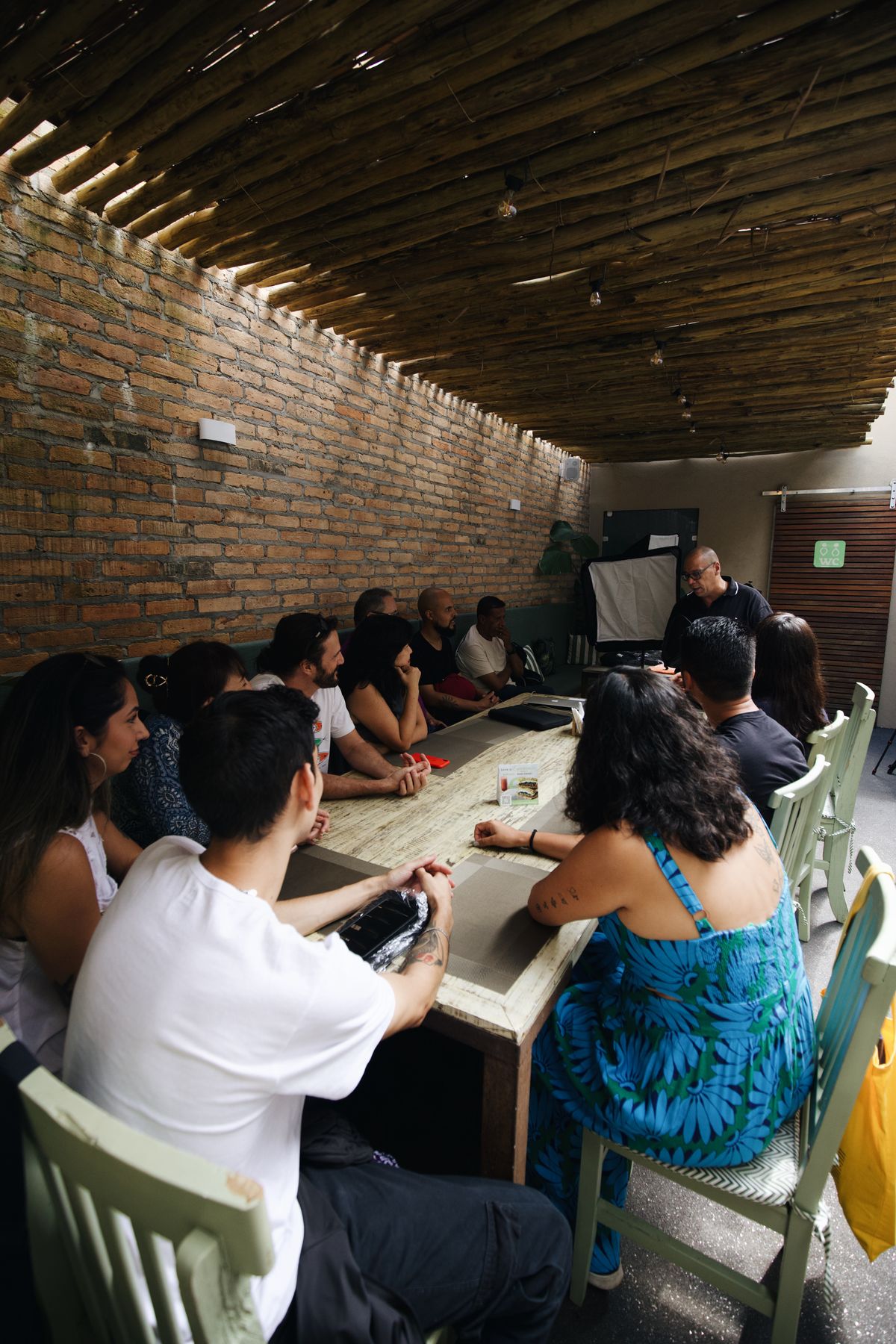
Local community centres and libraries offer practical venues for AI education — free or low-cost workshops where you can learn AI basics alongside neighbours facing similar challenges. No prerequisite knowledge required, with equipment and internet access provided on-site.
The most practical thing you can do is start building AI literacy in your existing role — not to replace your work, but to make it faster, better, or less tedious. The people who do this early will be the ones who look indispensable when budgets are tight.
Don't wait for your employer to create a program. The gap between what's being asked for and what's available isn't permanent — but it is closing, and the advantage goes to those who move first.
Vortex Academy Australia teaches everyday Australians how to use AI properly — no tech background needed.
Enrol Now